
FUNDED
PROJECTS
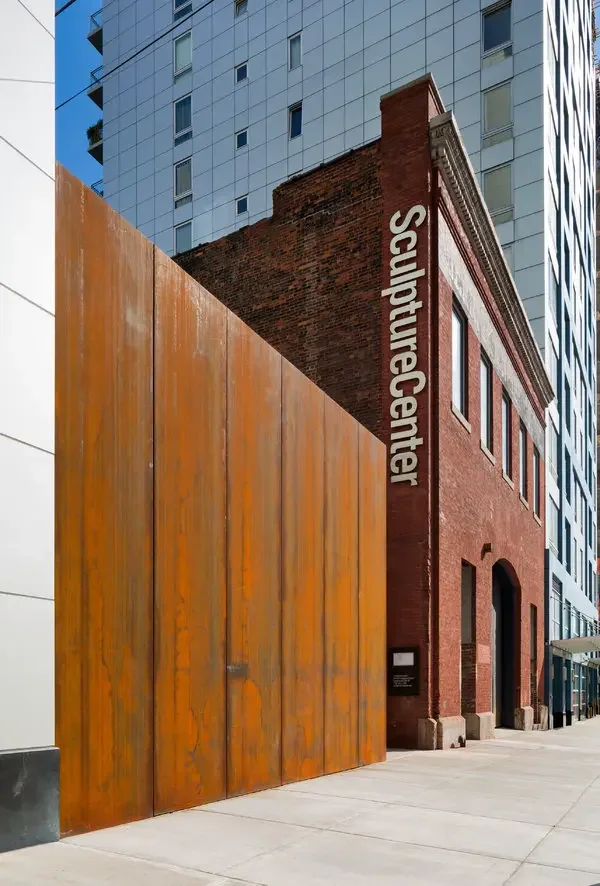
SculptureCenter
The Foundation supported Tolia Astakhishvili’s first United States exhibition, *between father and mother*, at SculptureCenter in 2024. Combining constructed environments, found materials, drawings, sound, and contributions from other artists, the exhibition transformed the gallery into an architecture shaped by use, memory, and social relations. Its assemblages of belongings and building materials unsettled distinctions between sculpture and surroundings, asking how spaces hold traces of lives and how those traces shape bodily and psychological experience.
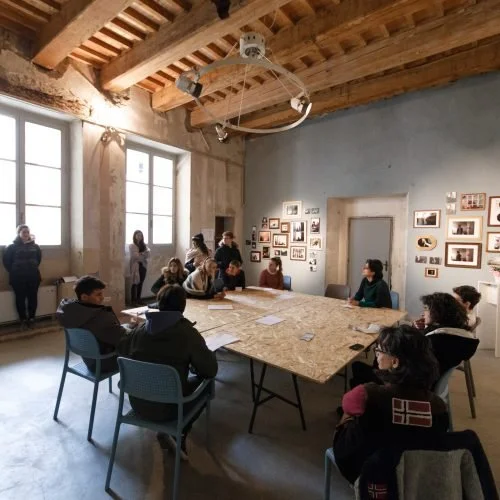
CasermArchelogica
At CasermArcheologica in Sansepolcro, Lucy Orta’s *Trame di Comunità* transformed residents’ accounts of belonging into an installation of tent-like structures woven from Tuscan linen and hemp, with embroidery and terracotta forms. The Foundation supported free admission and workshops for schools, community groups, and adults. Developed through encounters across the Valtiberina region, the project brought local materials and personal testimony together to explore gathering, shelter, and the relationships through which a community inhabits its landscape.
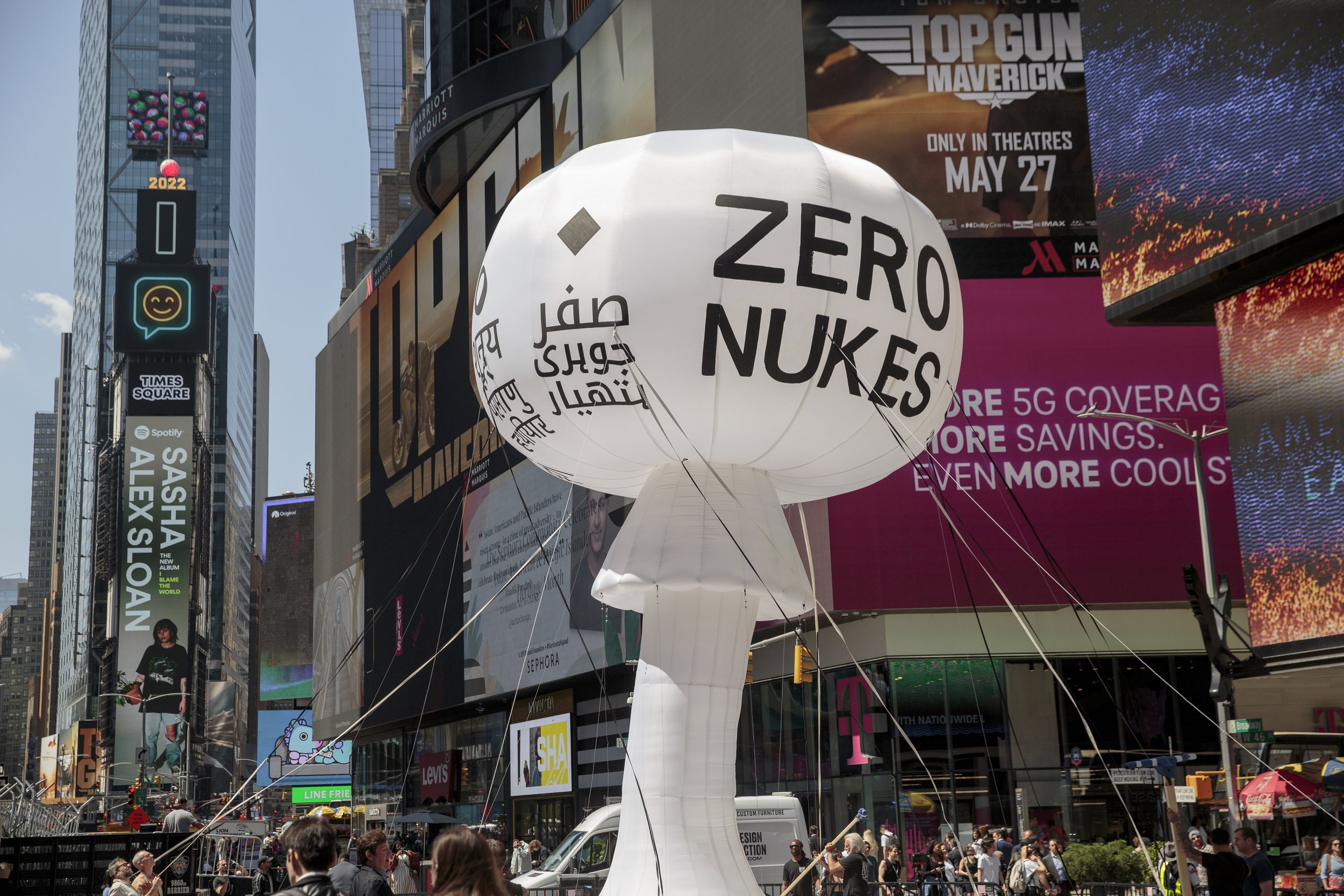
Bulletin of Atomic Scientists
The Foundation supported *Amnesia Atómica*, presented by the Bulletin of the Atomic Scientists and Times Square Arts in 2022. Pedro Reyes’ inflatable mushroom cloud, *ZERO NUKES*, became a gathering point for performances, participatory artworks, and encounters with nuclear-disarmament advocates. Exhibits and virtual-reality experiences connected artistic imagination with scientific knowledge and the testimony of people affected by nuclear weapons, bringing historical memory and questions of collective responsibility into everyday public space.
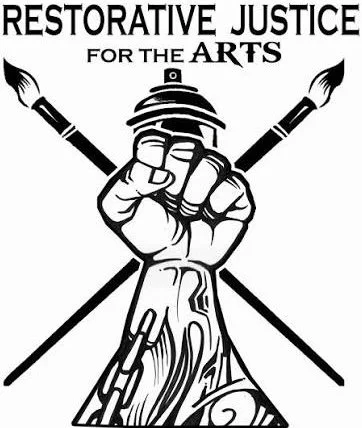
Restorative Justice for the Arts
Restorative Justice for the Arts connects mural-making, youth education, and community advocacy in Los Angeles. The Foundation supported collaborative murals, workshops, neighborhood tours, and efforts to protect artworks threatened by erasure and displacement. Young participants developed painting skills alongside knowledge of artists’ rights and mural protection. Grounded in Indigenous and Mexican American experience, the work treats public imagery as a living record through which communities can assert their presence, transmit knowledge, and interpret their histories.
Nairobi Print Project
Nairobi Print Project brings artists, writers, and curators into dialogue around artistic research informed by African colonial and diaspora histories. The Foundation supported website development and discussions that helped shape its approach to publishing and knowledge exchange. Conceived around an online library and podcast, the project developed a platform for texts and collaborative inquiry, addressing unequal access to research resources while creating space for accounts of African art shaped by its practitioners and communities.
Khio Memorywork
The Foundation supported *MEMORYWORK*, an artistic research collaboration at Oslo National Academy of the Arts, known as KHiO. Bringing choreography, performance, and visual art into exchange, the project investigated whose memories receive public recognition and how histories are embodied, transmitted, or forgotten. Research laboratories and collaborations across countries approached remembrance as an active process, examining how gestures, places, and shared encounters can reactivate historical fragments, unsettle established narratives, and bring overlooked experiences into view.
VAV Zine
The Foundation supports a new issue of VAVzine, a publication on textile weaving as a community technologies, edited by Brazilian artist Lívia Moura. Drawing on collaborative research in Brazil, Morocco, and Italy, the publication bringing Abakanowicz’s textile sculptures into dialogue with traditional women weavers to examines textile an artistic language, a repository of ancestral knowledge, and a means of organizing collective life. It foregrounds women’s leadership in sustaining livelihoods, transmitting skills, and shaping cultural narratives to connect embodied memory and creative autonomy with collective care, ecological responsibility, and sustainable futures.
Alianza Arkana
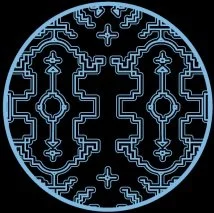
The Foundation supported Alianza Arkana’s work with Shipibo-Konibo communities in the Peruvian Amazon through cultural celebrations, pandemic relief, and the Kené Néte youth artisan initiative. Celebrations emphasized communal feasts and cultural transmission; during the pandemic, support shifted to food, household supplies, and medicines. Kené Néte brought young makers into exchange with experienced artisans, combining ancestral design with contemporary fashion and livelihood skills. Together, these projects connected cultural expression with community-defined needs and intergenerational continuity.
Piri Piri Threadworks
Through Piri Piri Threadworks, the Foundation provided emergency assistance to Shipibo artists in the Peruvian Amazon during the COVID-19 pandemic. Working with the women-led Shipibo Meken Collective, the relief fund distributed microgrants directly to practitioners for food, medicine, protective supplies, and artistic materials, according to their needs. The support recognized the close relationships among textile-making, family livelihoods, and community care, helping sustain the people whose knowledge and labor carry living cultural traditions through crisis.
Artway of Thinking
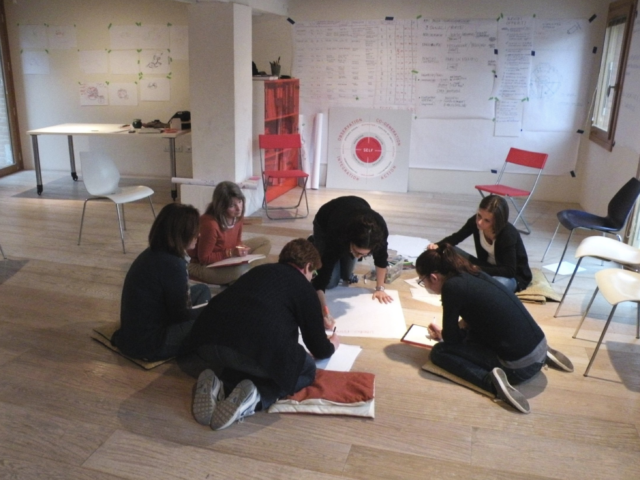
The Foundation supported the documentation of Venice-based artway of thinking’s research into collective creativity and the relationship between art and everyday life. Cataloguing archives, digitizing images, developing a website, and preparing an artist book brought together decades of projects, workshops, and research journeys. The initiative examines co-creation as a practice through which artists, communities, public bodies, and people from different professions can question established relationships and develop shared methods for social and cultural change.
Mildred’s Lane
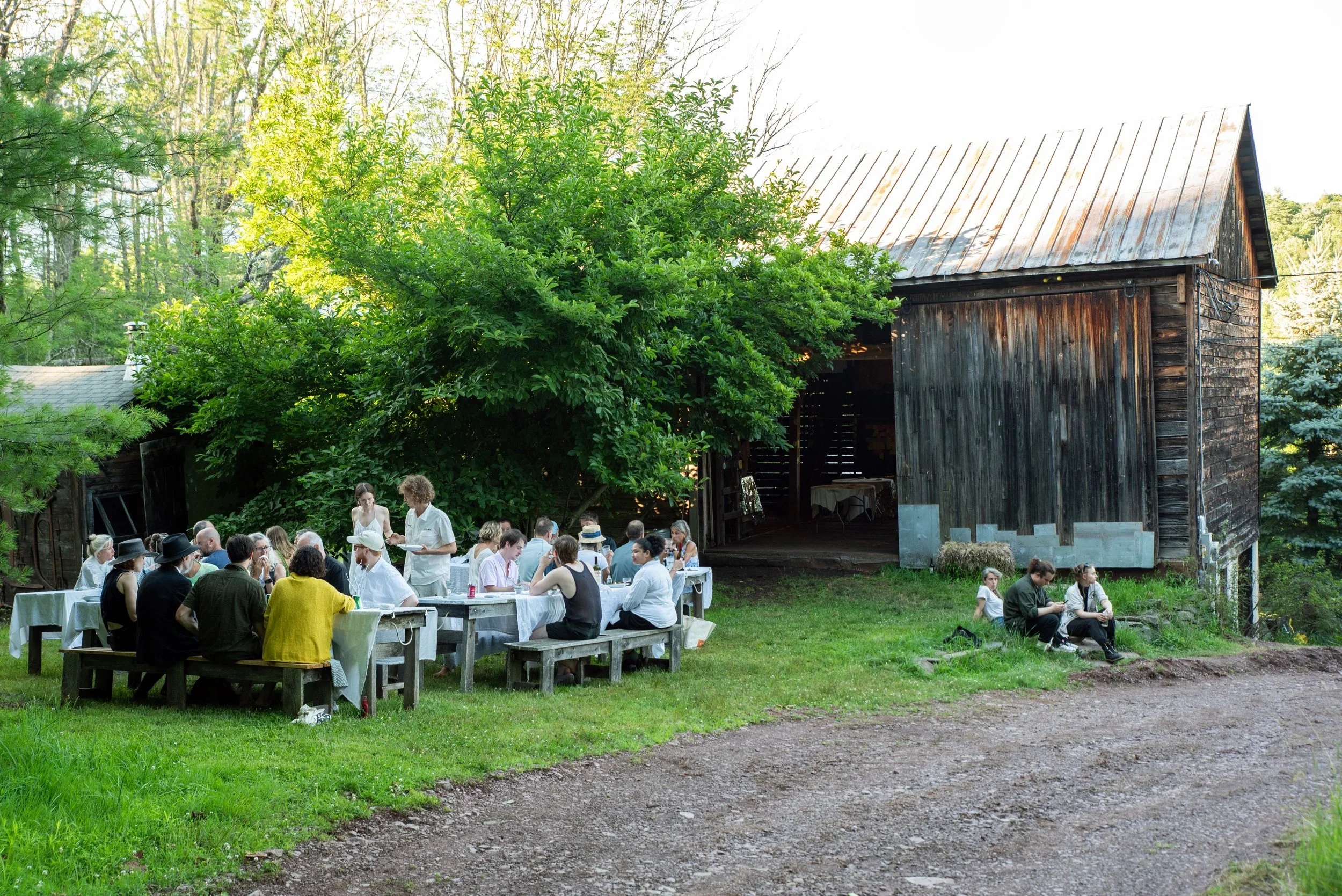
At Mildred’s Lane in Pennsylvania, living, working, and learning form an ongoing experiment in artistic practice. The Foundation supported research and preparation for J. Morgan Puett’s publication project, *WORKSTYLES of Mildred’s Lane*, including the organization of photographs, archives, and accounts of collective activity. Drawing together installation, pedagogy, domestic labor, and environmental attention, the project considers shared routines as forms of inquiry through which art becomes inseparable from how people work together and inhabit a place.
Polish Chicago Show
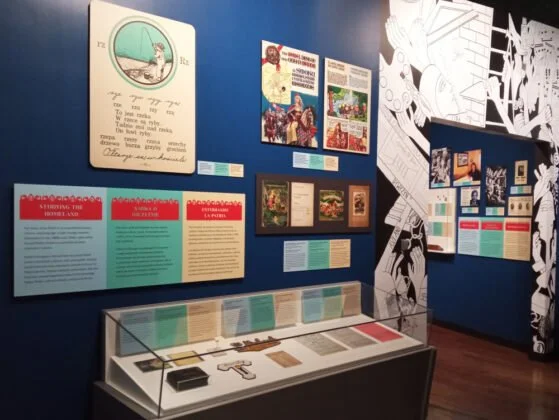
The Foundation supported research, youth exchange, and oral-history work for *Back Home: Polish Chicago*, a Chicago History Museum exhibition developed with the Polish History Museum in Warsaw and Chicago partners. Polish and Polish American teenagers interviewed community members, connecting personal testimony with historical research. Exploring migration from the mid-nineteenth century onward, the project examined how people sustain attachments across borders, negotiate belonging, and contribute to the cultural and civic life of their adopted city.